

Plantae Presents: AI and Computational Tools in Plant Biological Science Research (an ASPB member-only webinar)
Plantae Presents: AI and Computational Tools in Plant Biological Science Research (an ASPB member-only webinar)
Featuring Krzysztof Wabnik, Yiliang Ding, and Katharina Hoff
When: Monday, November 23, 2026, at
6:00 AM PST | 9:00 AM EST | 2:00 PM GMT | 10:00 PM Beijing

About this Webinar
This webinar will explore how artificial intelligence and computational approaches are transforming plant biological research. Topics will include computational modelling of plant development, AI-driven tools for understanding gene functions, and the application of large language models in plant science. The session will highlight how these emerging technologies can generate new hypotheses, facilitate data analysis, and advance biological discovery, while providing practical perspectives on integrating AI and computational tools into plant research workflows.
Not a member yet? Learn more and join here!
Hosted by the 2026 Plantae Fellows.
SPEAKERS
Krzysztof Wabnik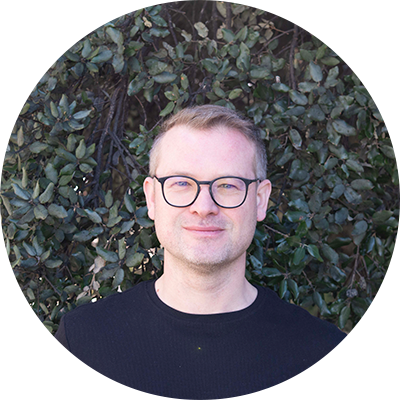
Dr. Krzysztof Wabnik obtained his Master in engineering from the Silesian University of Technology in Poland. He migrated to Ghent, Belgium, to study how plants coordinate their development using computational modeling approaches. In 2011, he obtained a Ph.D. in Plant Biotechnology at the University of Ghent, Belgium, under the supervision of Profs. Jiri Friml and Willy Govaerts. After that, he moved to Vienna, Austria, to start his postdoctoral training supported by Marie-Curie funding. Roughly 8 months later, he decided to move again, this time to the University of California, San Diego, USA, to study plant hormone signaling networks, after winning a highly competitive Human Frontier Science Program long-term fellowship. Since mid-2018, he leads the interdisciplinary PlantDynamics Laboratory at CBGP, UPM-INIA in Madrid, Spain. His work combines spatiotemporal computer modeling, time-lapse microscopy, and microfluidics to address various questions in plant developmental biology and beyond.
Yiliang Ding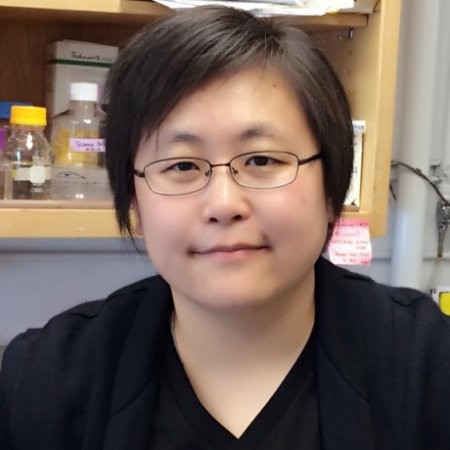
Professor Dr Yiliang Ding, FRSB, is a Group Leader at the John Innes Centre (JIC), UK, and an Honorary Group Leader at the Babraham Institute. She obtained her bachelor’s degree in plant science from Shanghai Jiao Tong University, China, in 2005, and completed her PhD at the John Innes Centre in 2009. Following her doctoral studies, she pursued postdoctoral research at the University of Dundee, UK, and Pennsylvania State University, USA, before establishing her independent research group at JIC in 2014. Her interdisciplinary research focuses on understanding the structure and function of RNA in living cells and its role in regulating gene expression. Her group combines experimental approaches, computational biology and artificial intelligence to investigate how RNA sequence and structure influence gene regulation and how these processes respond to environmental changes. Her pioneering contributions to RNA structure profiling have been recognised through several prestigious awards and grants, including the 2024 Blavatnik Award for Young Scientists in the UK and the Royal Society Faraday Discovery Fellowship, awarded in 2025. In collaboration with researchers across institutions, she has also contributed to the development of PlantScience.ai, an LLM-powered virtual scientist designed to support plant science research. By bridging RNA biology, computational approaches and AI, her research advances our understanding of gene regulation and offers new opportunities for RNA-guided crop improvement and enhanced crop resilience.
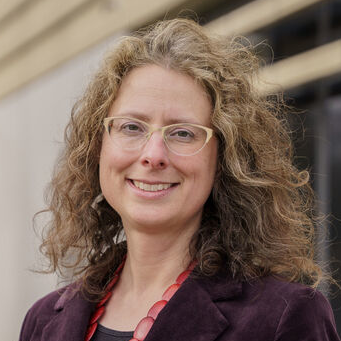 Katharina Hoff
Prof. Dr. Katharina Hoff obtained her bachelor’s degree in plant biotechnology from Leibniz Universität Hannover, Germany, and her doctorate in molecular biology from The University of Göttingen, Germany. She later completed her habilitation in bioinformatics at the University of Greifswald, Germany. Since November 1st, she is professor for applied bioinformatics and genome research at the Institute of Microbiology, University of Greifswald. As an experienced bioinformatician, she has a number of recognitions to her credit. Recently, she was awarded funding under the Heisenberg programme of the German Research Foundation (DFG) to set up an independent working group focussed on developing novel methods to analyze and annotate millions of genomes! With a research focus on domains such as eukaryotic and prokaryotic gene prediction, the suite of gene prediction tools developed by her group like BRAKER and Galba to name a few have augmented and improved genome annotation efforts in plant sciences. At the interface of biology and machine learning, her tools are a valuable addition to the plant science community at large and also very timely in the looming era of AI, to understand biological systems at an un-precedented scale and depth supported by rigorous and robust algorithms.
MODERATORS
 Abdulkabir Abdulmalik
Abdulkabir is a fourth-year doctoral researcher at the Cluster of Excellence on Plant Sciences (CEPLAS), Heinrich Heine University Düsseldorf, Germany. His research focuses on plant–microbe interactions, particularly engineering soil microbiomes to improve plant growth and support sustainable agriculture. He is passionate about science communication, outreach, and community building. Outside the lab, he enjoys playing football and taking walks in nature. You can find him on X: @Omeiza_PlantDoc.
 Gourav Arora
Gourav is a fourth year doctoral researcher in the Coupland department at the Max Planck Institute for Plant Breeding Research, Cologne. His work focuses on the regulation of flowering time in Arabidopsis, specifically through the FT-FD module. Originally from Haryana, Gourav completed his master’s degree at the University of Delhi, India. Passionate about science communication, Gourav enjoys sharing scientific concepts with the general public. In his free time, he loves capturing the beauty of nature through photography, particularly flowers and plants. You can find him on X: @gourav_arora_g.
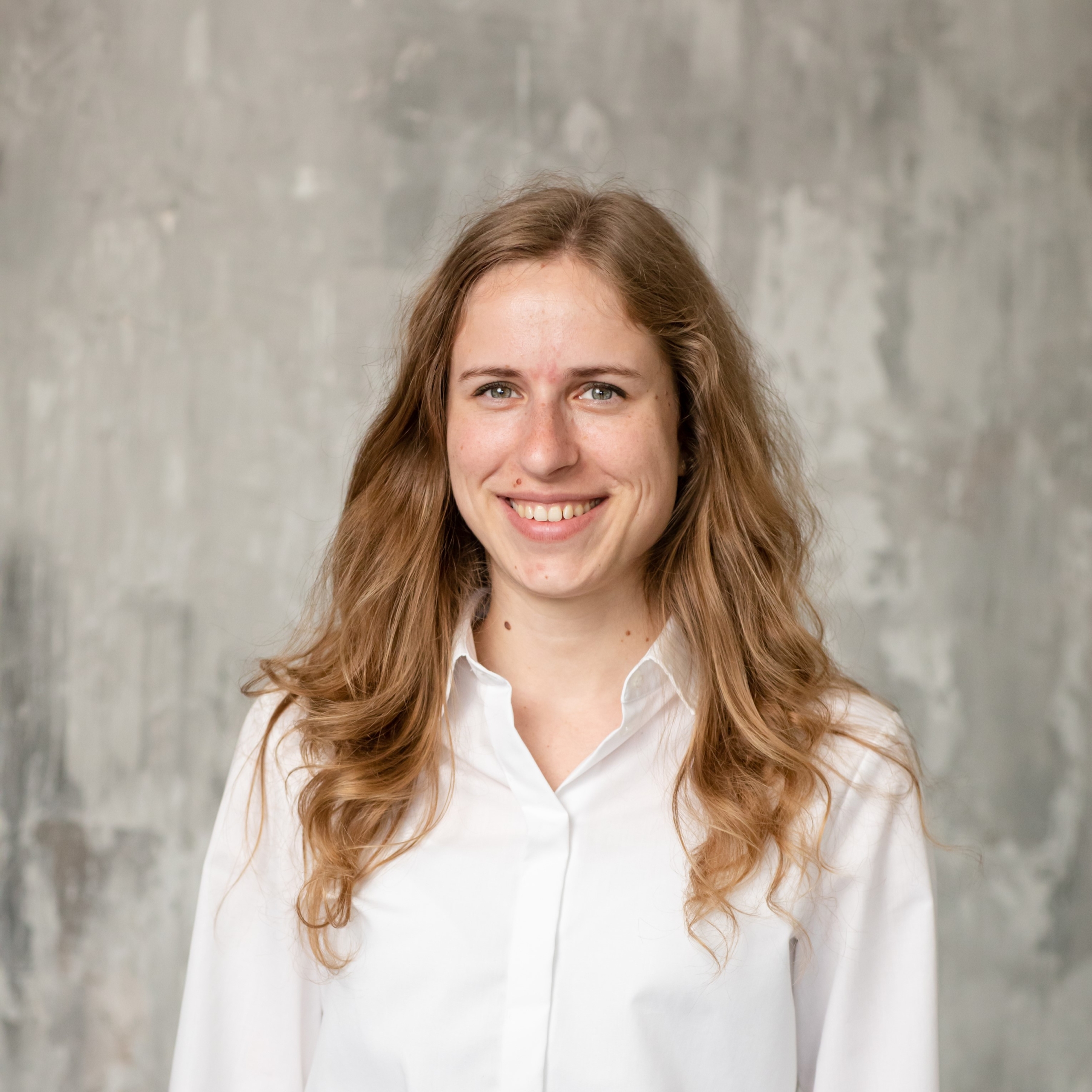 Zoe Farkas
Sophie is a final-year PhD student at the University of Freiburg. Her research focuses on root system architecture, specifically the regulation of lateral root angle by genetic factors and environmental stimuli. When she’s not in the lab, you can find her on the football field or playing tunes on her alto saxophone. Bluesky: @sophiezoe.bsky.social | X: @fsophiezoe.
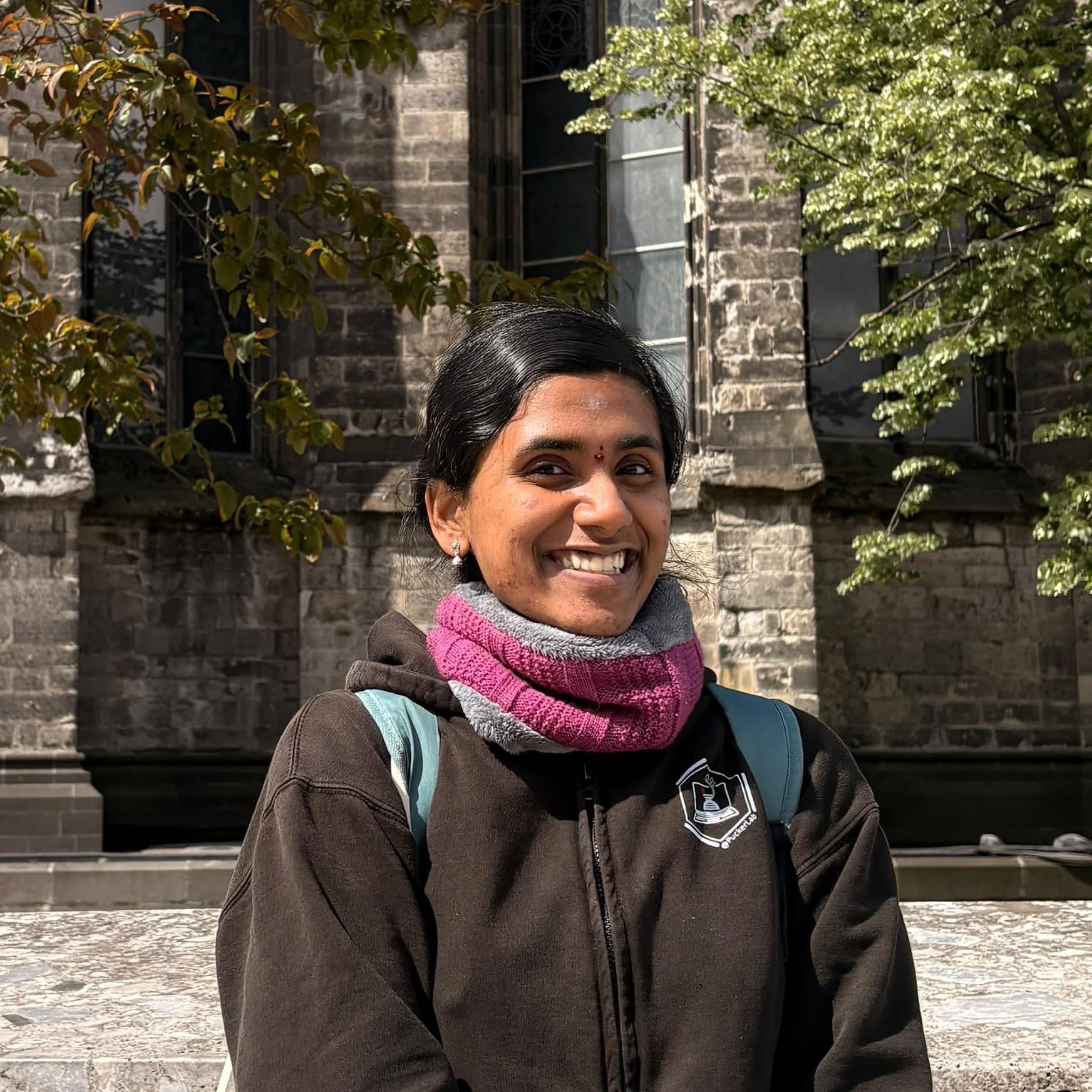 Shakunthala Natarajan
Shakunthala is a third-year PhD student at the Institute for Cellular and Molecular Botany, University of Bonn. Her research revolves around plant comparative genomics and transcriptomics. She develops computational tools and databases that leverage publicly available transcriptome datasets to help overcome the plant functional annotation bottleneck. Outside the lab she wears the hats of a science communicator and a musician. X: @Shak_Nat | Bluesky: @shakunthalan.bsky.social.
